Today we return after another lag period in my writing. The toils of running a business and a very interesting year in 2020 has delayed our sharing. However, we return today to discuss a normal physiological process than stops some of us in our tracks – Knee Osteoarthritis.
Knee OA is one of the most common and debilitating health conditions I come across in my practice. I also see alot of concerns, myths and poor understanding surrounding it. So today we are gonna break down what it means and what you can do about it.
As with anything health related knowledge is the key ingredient for success, so lets start with some valuable foundations.
Basic pain knowledge –> PAIN does NOT accurately reflect damage. Pain is purely the brain and spinal cord deciding whether something needs protecting or not whether from internal factors or environmental factors e.g You put your hand near a fire and you get pain, however you are not physically harmed or burnt.

The second important bit of knowledge is understanding how many of us are diagnosed with arthritis, and without any pain.
Take this study for example:
– Systematic review of MRIs of 5,397 knees aged > 40 and < 40 // Osteoarthritis >40 = 43% / <40 = 14%
This study showed that out of 5,397 people 43% of those over 40 had knee osteoarthritis and no knee pain. That is nearly half. So why is this?
Well a simple way of understanding it is it’s the body’s wrinkles on the inside. Sure things wear and change with age, but some of us have these findings from an early age and some of us are adapted to having these so called changes. We know this because knee OA isn’t the only asymptomatic abnormality we find throughout the body. There are all sorts of abdormatlies found in asymptomatic people, simply because we are all different both on the inside and out.
So why do some of us suffer with knee pain related to arthritis? Well there are many factors that can influence this including genetical, physical, envionmental or influenced by other health related issues. It can be from excessive load exposure as we often hear people blame it on, for example ” I played football for 20years so they have to be stuffed” or “I played netball for a long time so my knees are shot” . But this is too simple and it doesn’t have to correlate with what we see on your scan. One study has investigated marathon runners knee’s in comparison to those who are sedentary in the states and their conclusion was that the marathon runner sub-group had better cartilage retention on imagery in comparison to those who were sedentary. This tells us that load can be healthy for sustaining cartilage quality and knee health, just like most other pathologies in the body
” Load is the language our body speaks”
Load is what CAN contribute to arthritis, but load CAN also be the solution. Too often I see people who have been diagnosed with any degree of knee arthritis go straight to the nearest surgeon and get a new titanium one put in. But, often these people havent assessed or been educated on all the factors that may have caused this in the first place and if they still exist than perhaps this is setting yourself up for a failed outcome even with part of apollo 11 space craft as your knee leg hinge.
So if you have knee arthritis what should you do. These are our current recommendations to getting you a less painful, more functional sustainable knee.
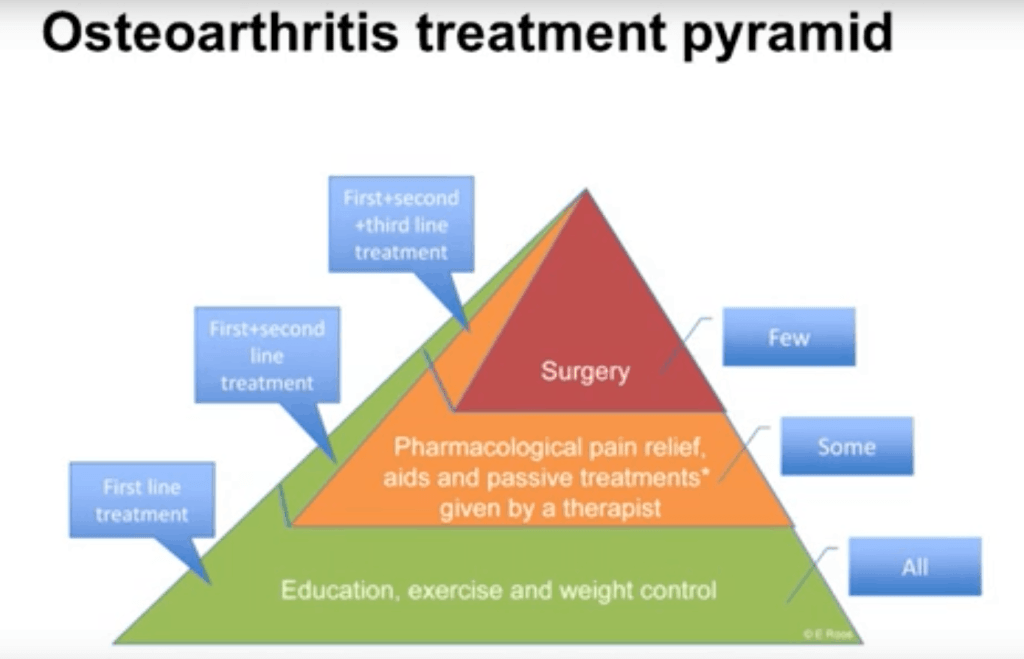
Exercise !!. Most of the time, your knee OA is cranky because it simply cannot keep up with your daily load. This might be quite little and you might think you don’t live a strenuous life, but that is the exact issue as we mentioned above with the marathon and sedentary study. There can be little infernal factors such as weight, lack of exercise and strength that gradually creep up on you and your knee. But we are here to tell you if you dedicate time with a good therapist creating a plan to address all the contributing factors and dedicate yourself to a 12 week strengthening program you can potentially give yourself a whole new knee without physically having to replace your one.
One study showed this with 75% of people declining knee replacement at the 12 week mark psot an intensive strengthening program in that period (Skou et al, NEJM 2015)
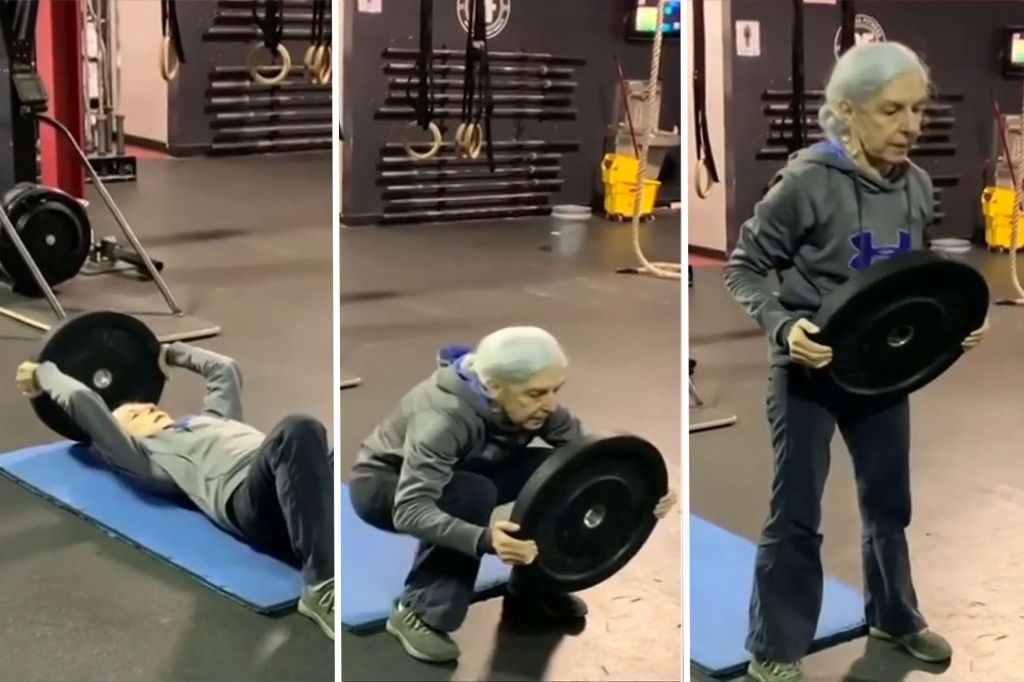
So there you have it. If your scan says your knee is looking pretty crappy, than I say get that knee moving, get it stronger, go walk more, swim more, cycle more, control your weight and healthy lifestyle and shake through that rusty hinge until it feels brand new again.
As always.
Keep moving.
Dale Hardes
Evolving Physiotherapy
 The Evolving Physio